In-Store Marketing Services
In-Store Marketing Services for CPG Brands
Point-of-sale materials, retail displays and shopper marketing systems designed to make your brand easier to notice, understand and choose at the moment of purchase.
Imaginity helps food, beverage, personal care and consumer goods brands turn shelf presence into clear retail communication. From POS display design and in-store marketing materials to retail activation programs, we create brand experiences that connect packaging, shopper behavior and store execution.
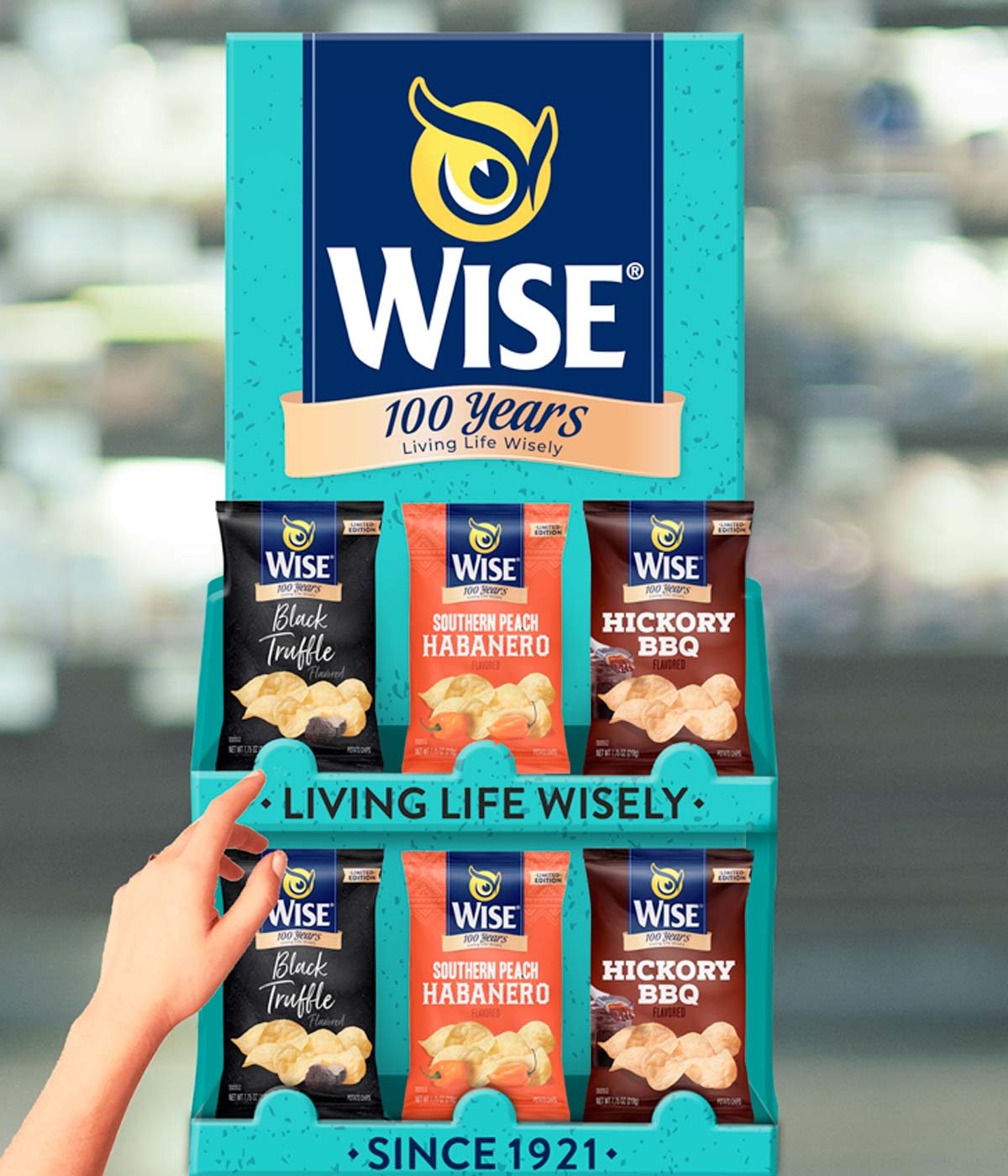

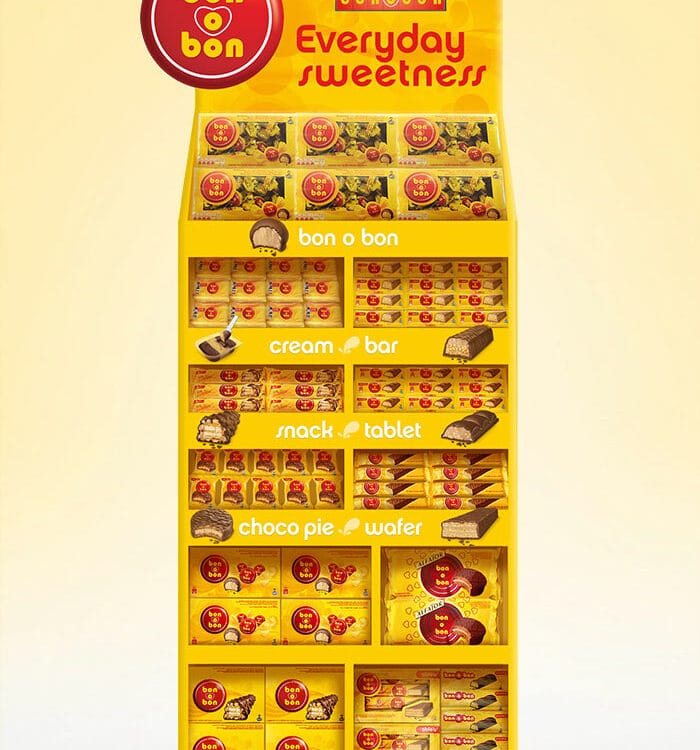
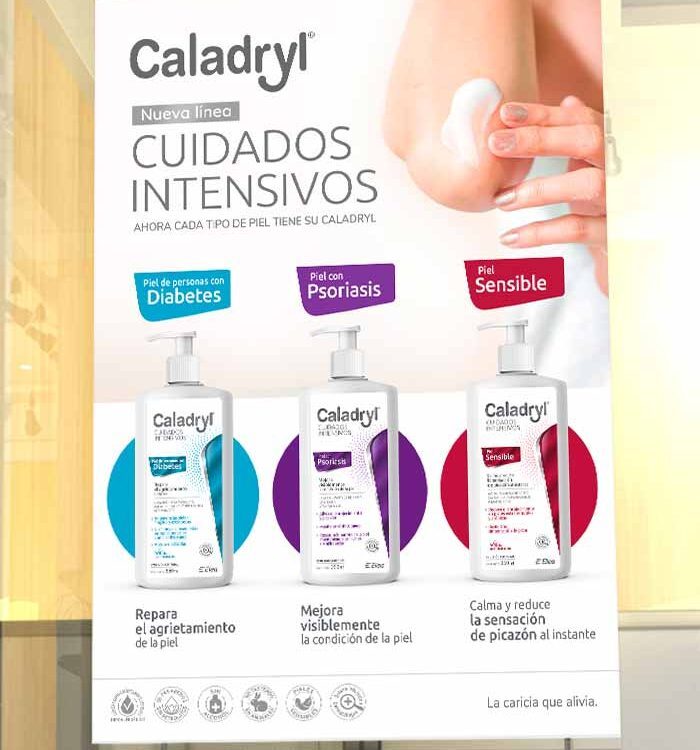
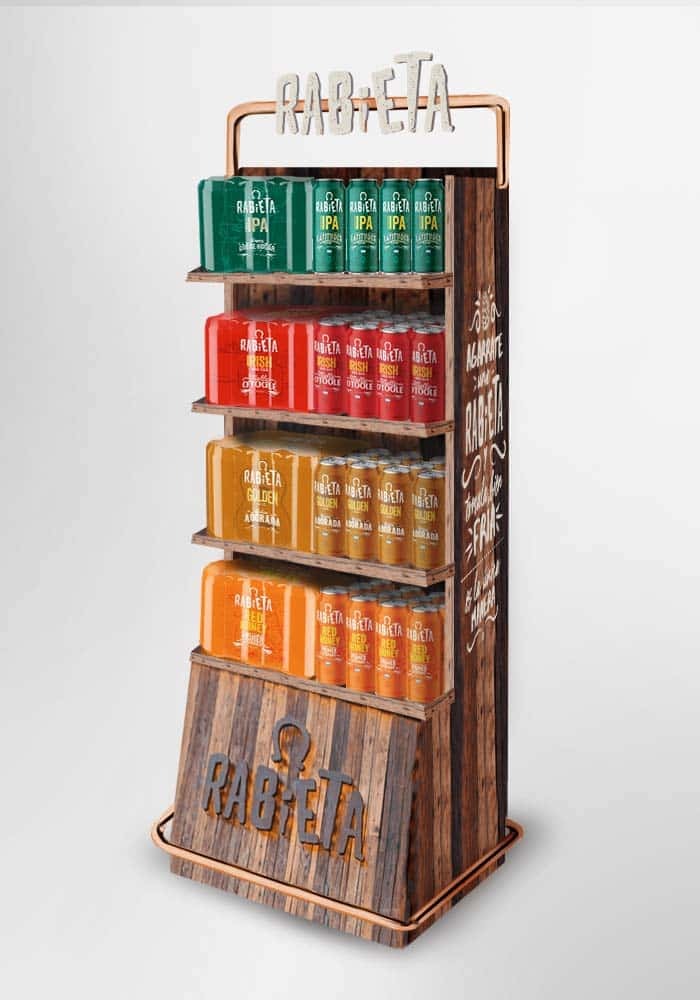
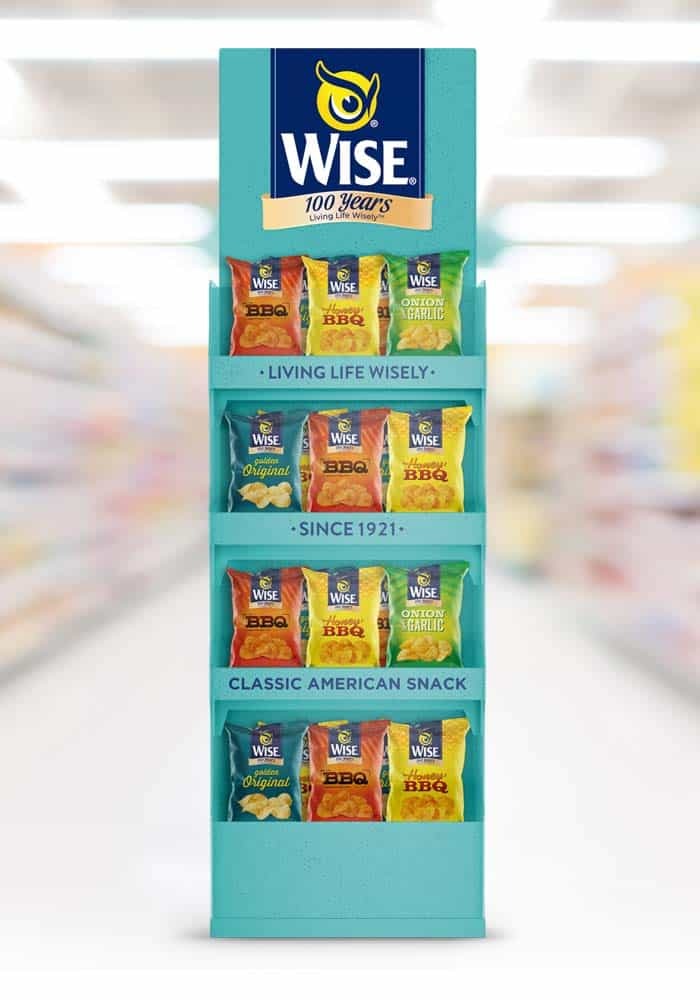
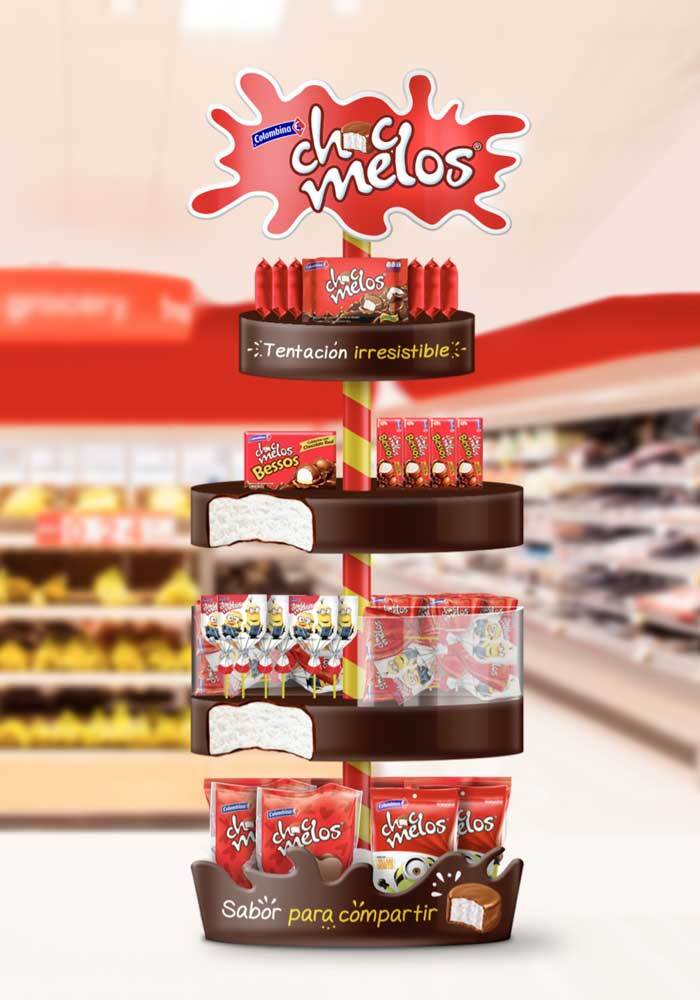
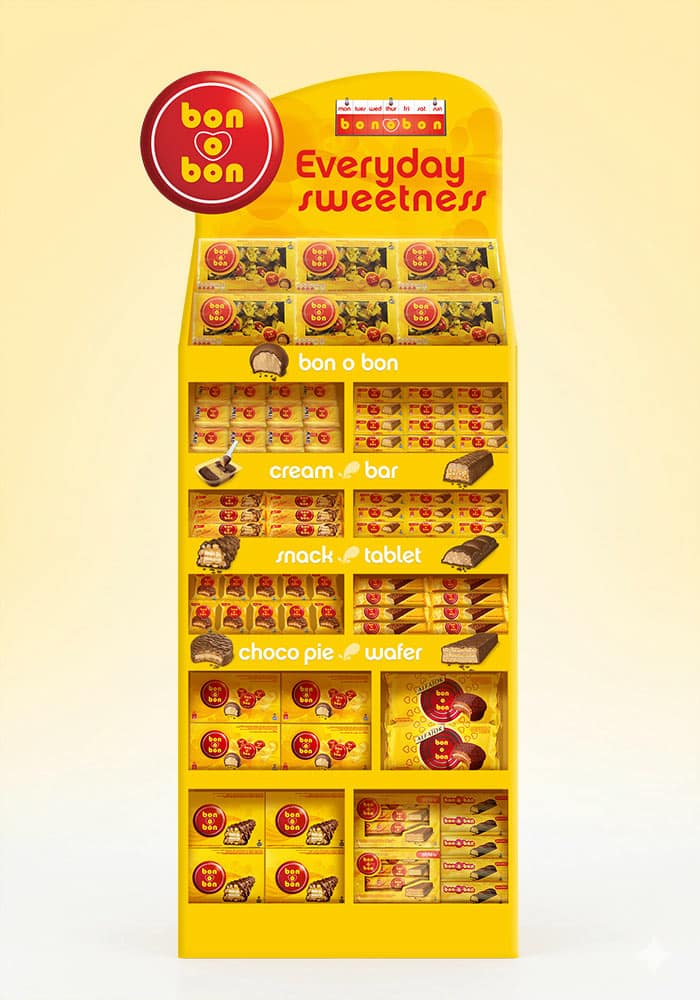
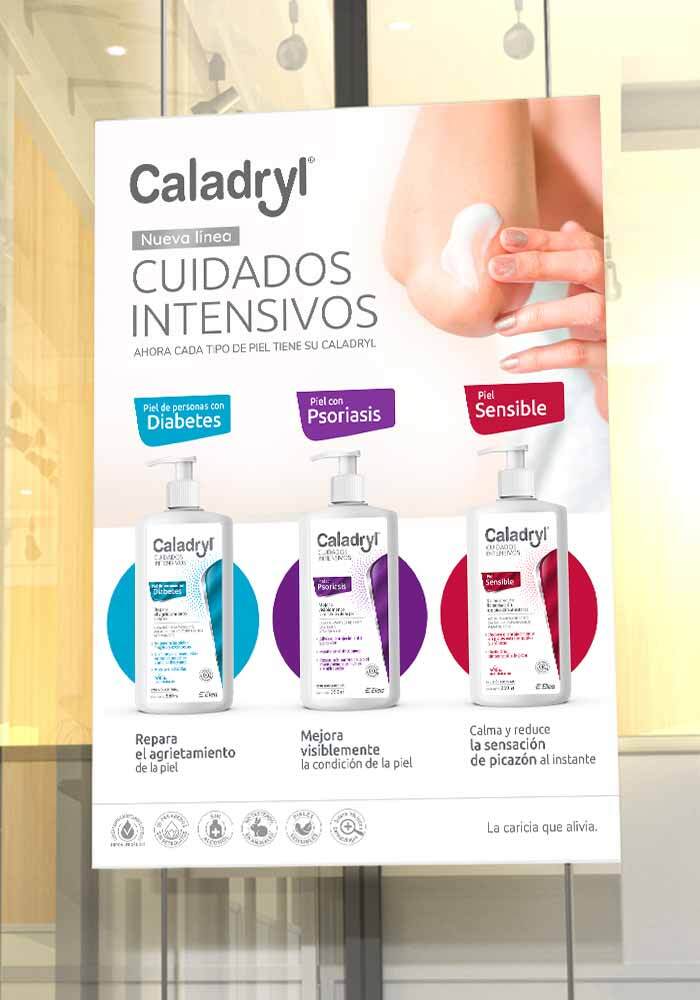
- POS display design: shelf talkers, displays, headers, wobblers, floor graphics and retail communication systems.
- Shopper marketing: messages and visual assets built for planned purchases, impulse decisions and category navigation.
- Retail activation: in-store campaigns that connect packaging, promotion, merchandising and brand storytelling.
In-store marketing helps CPG brands communicate clearly when shoppers are comparing products and deciding what to buy. Well-designed POS materials can attract attention, explain product benefits, support category navigation and make the packaging design easier to recognize across the store.
When the brief extends beyond the store into a product launch, campaign platform, OOH, fleet media or packaging activation, Explore Brand Activation Services →
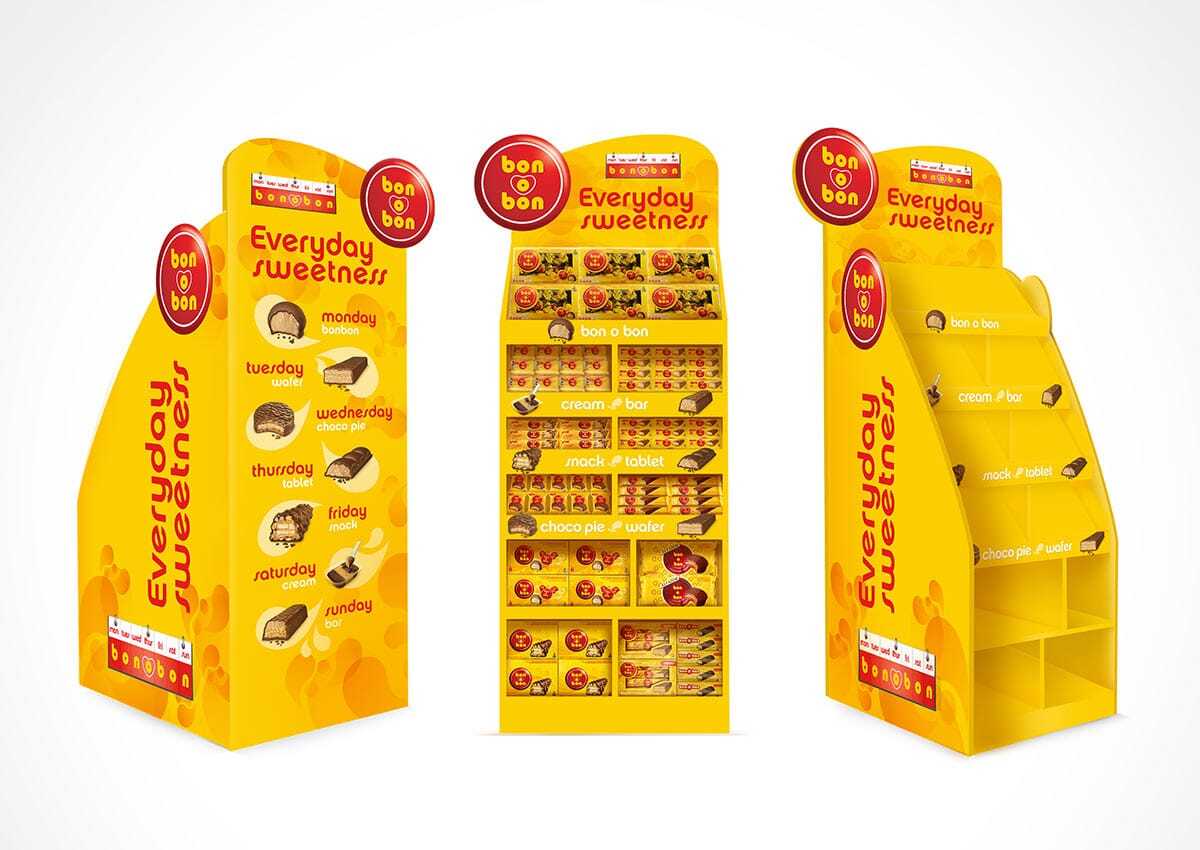
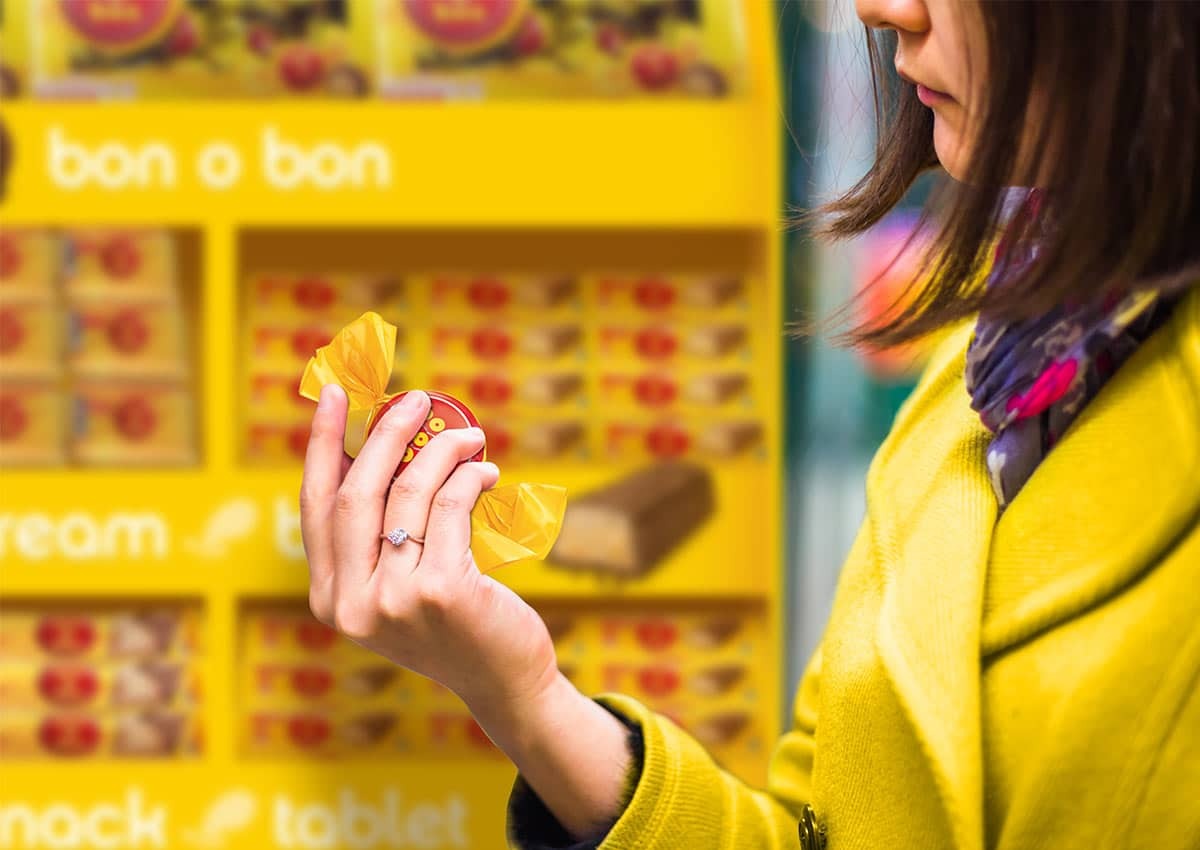
Designing Effective Communication at the Point of Sale
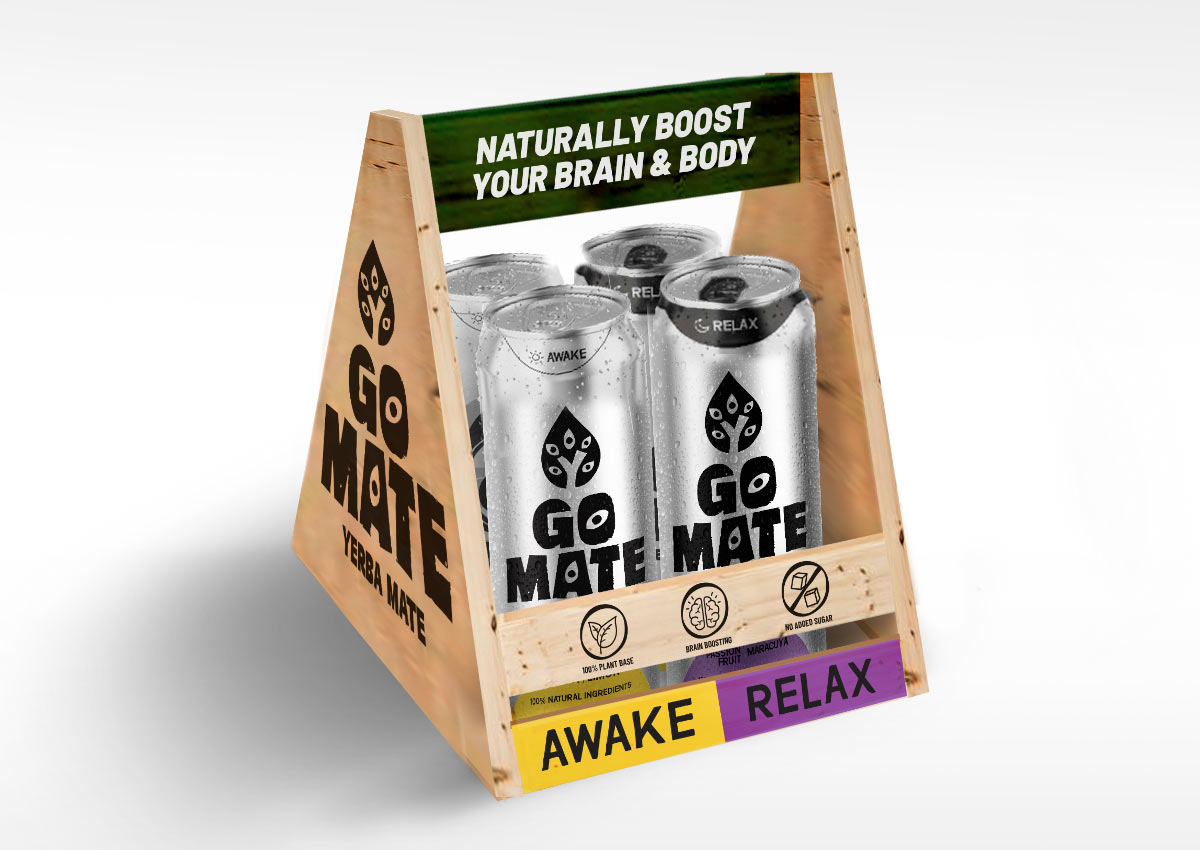
Point-of-sale materials translate brand identity and product strategy into practical retail touchpoints. Displays, shelf strips, signs, endcaps and promotional fixtures help shoppers notice products, understand their benefits and compare alternatives at the moment of purchase.
Each format should respond to the shopper journey, retail environment and communication objective, creating a coordinated in-store system rather than an isolated promotional graphic.
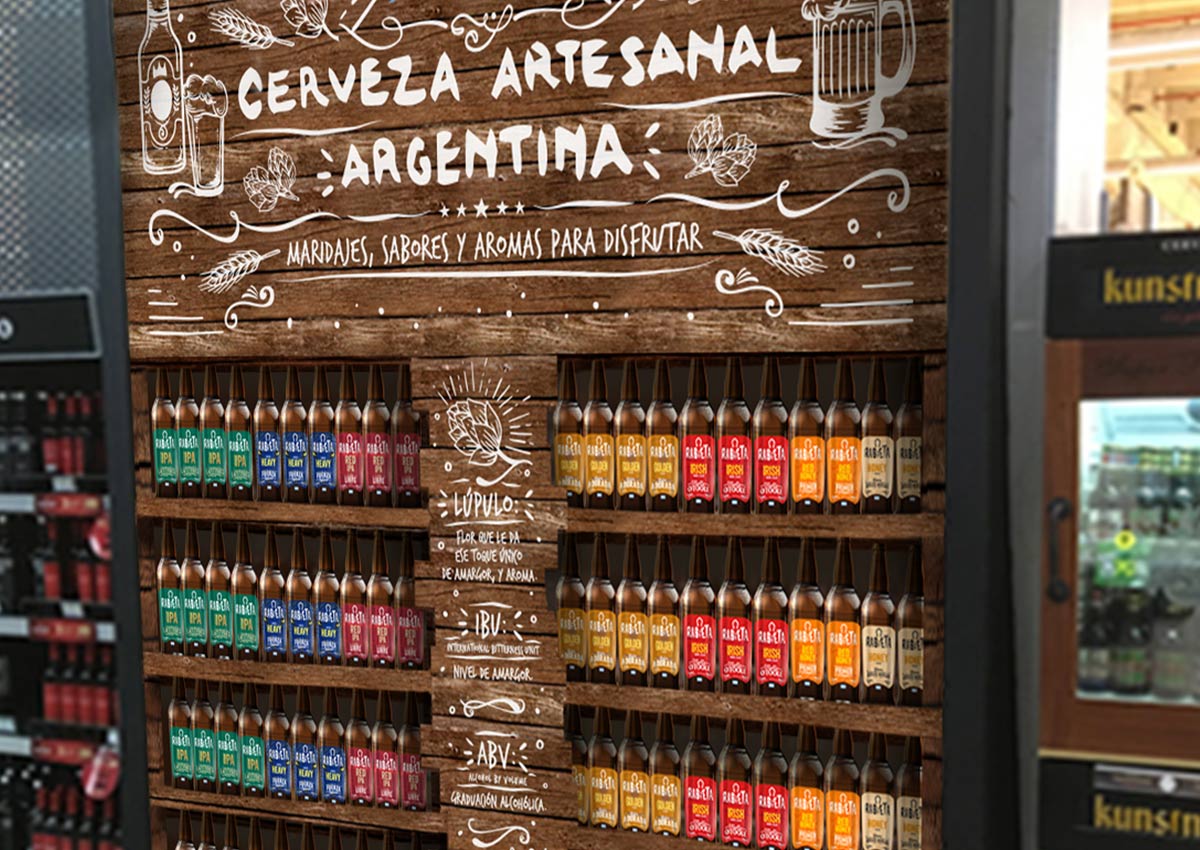
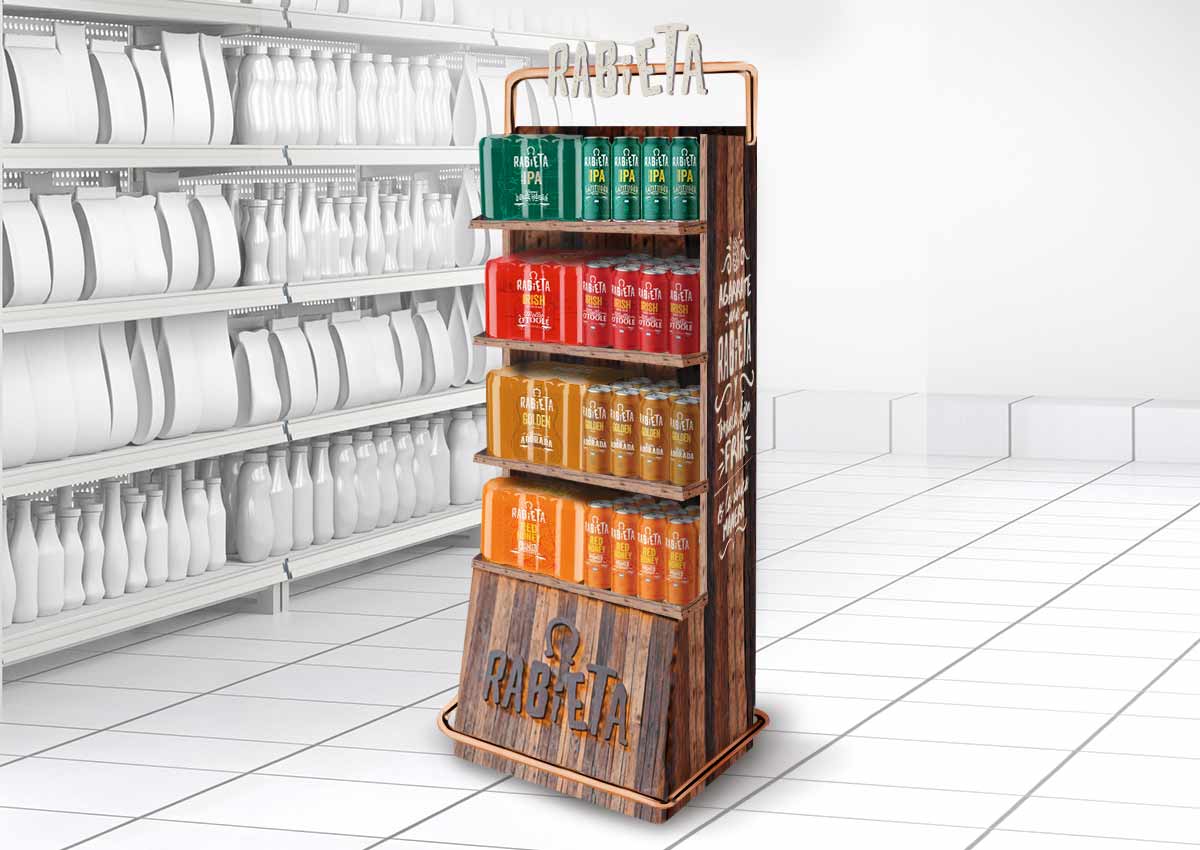
How Communication Works Across the Store
Retail communication works differently across four shopper zones: proximity, transit, impulse and destination. Proximity communication draws shoppers toward the store or category. Transit communication builds awareness as people move through the space. Impulse communication interrupts routine, while destination communication helps shoppers compare products and choose at the shelf.

Proximity and Transit Zones
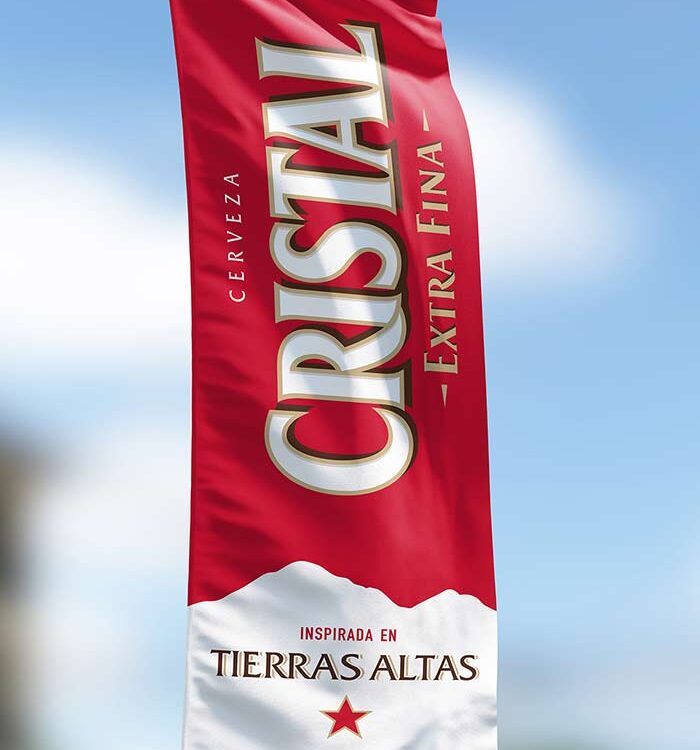
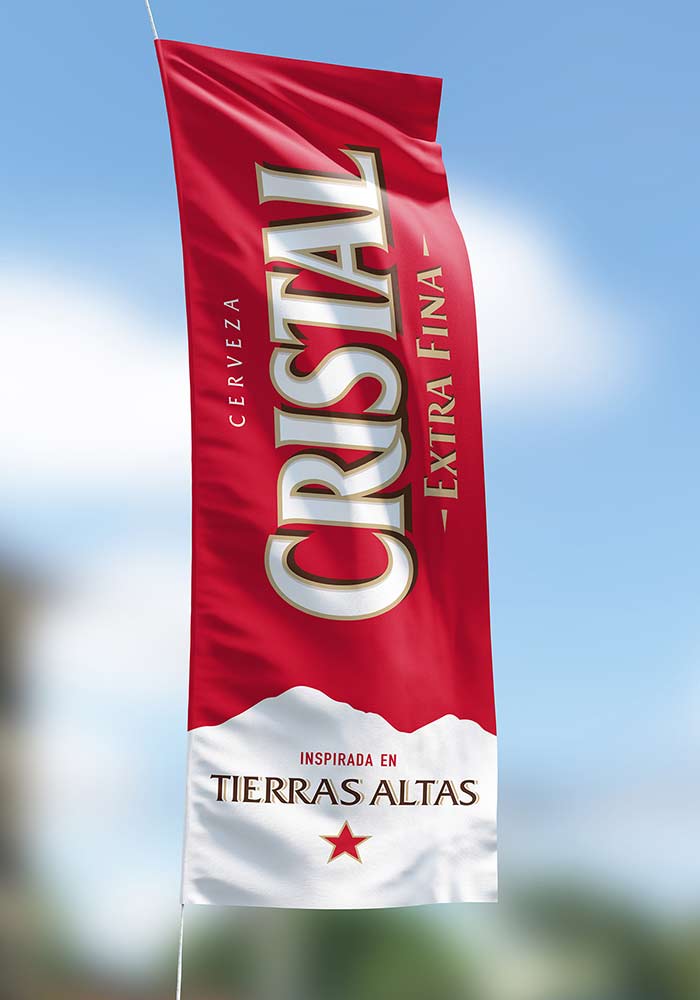
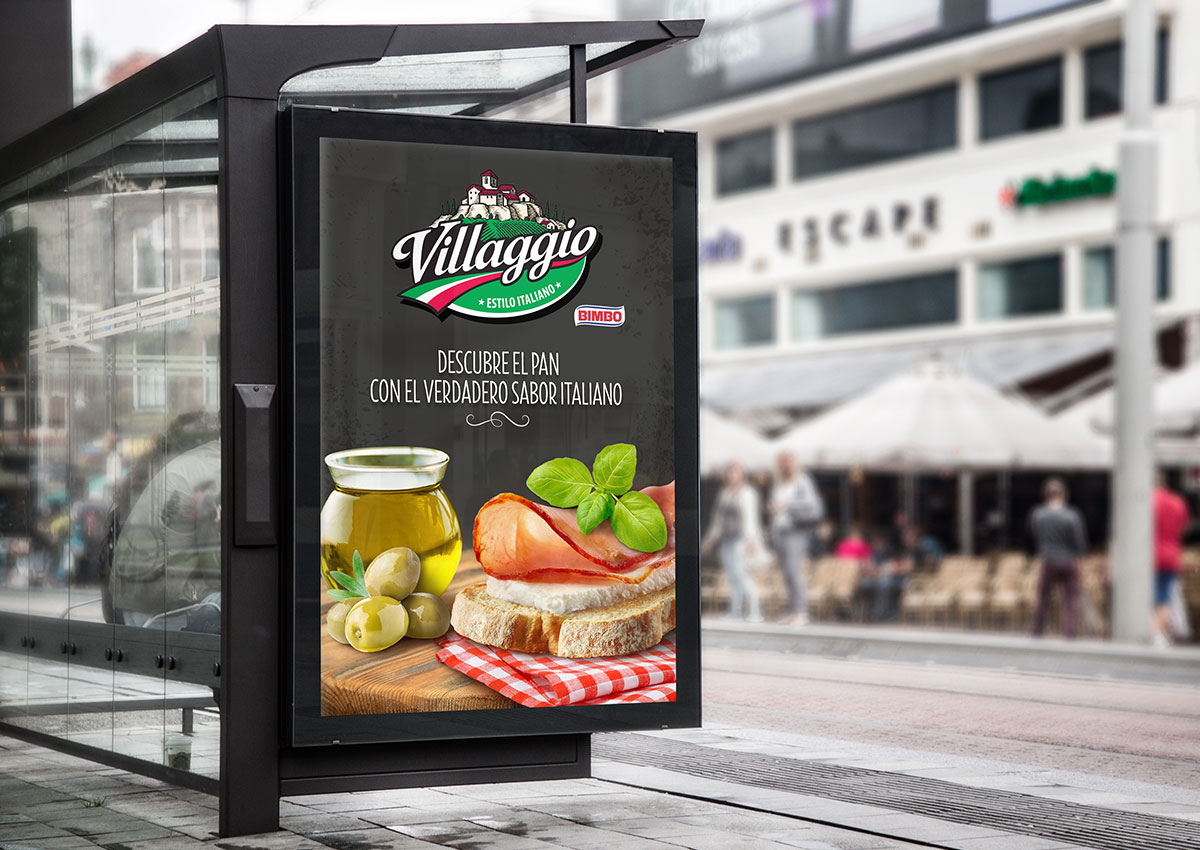
Zone 1: Proximity - Engagement: Communication outside or immediately around the store attracts attention and encourages shoppers to approach the point of sale. Typical formats include storefront graphics, exterior signs, canopies and nearby outdoor media.
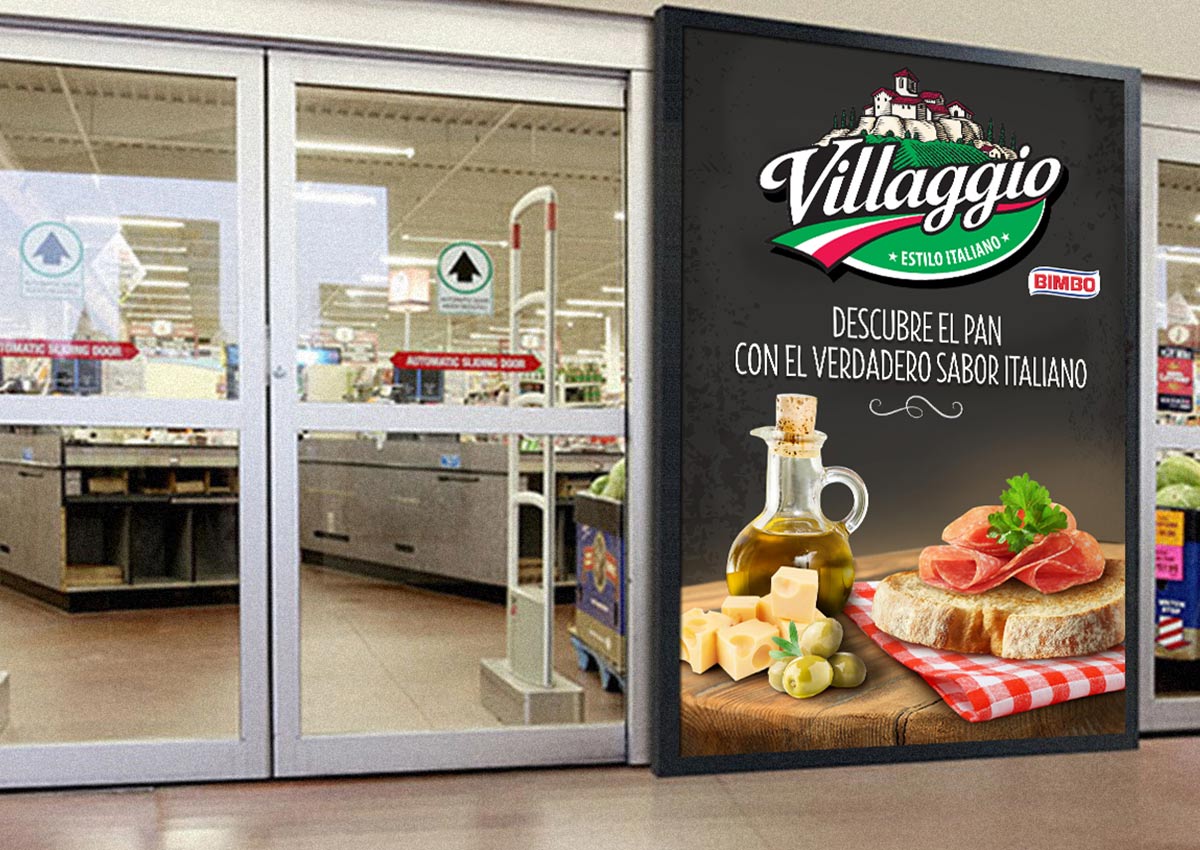
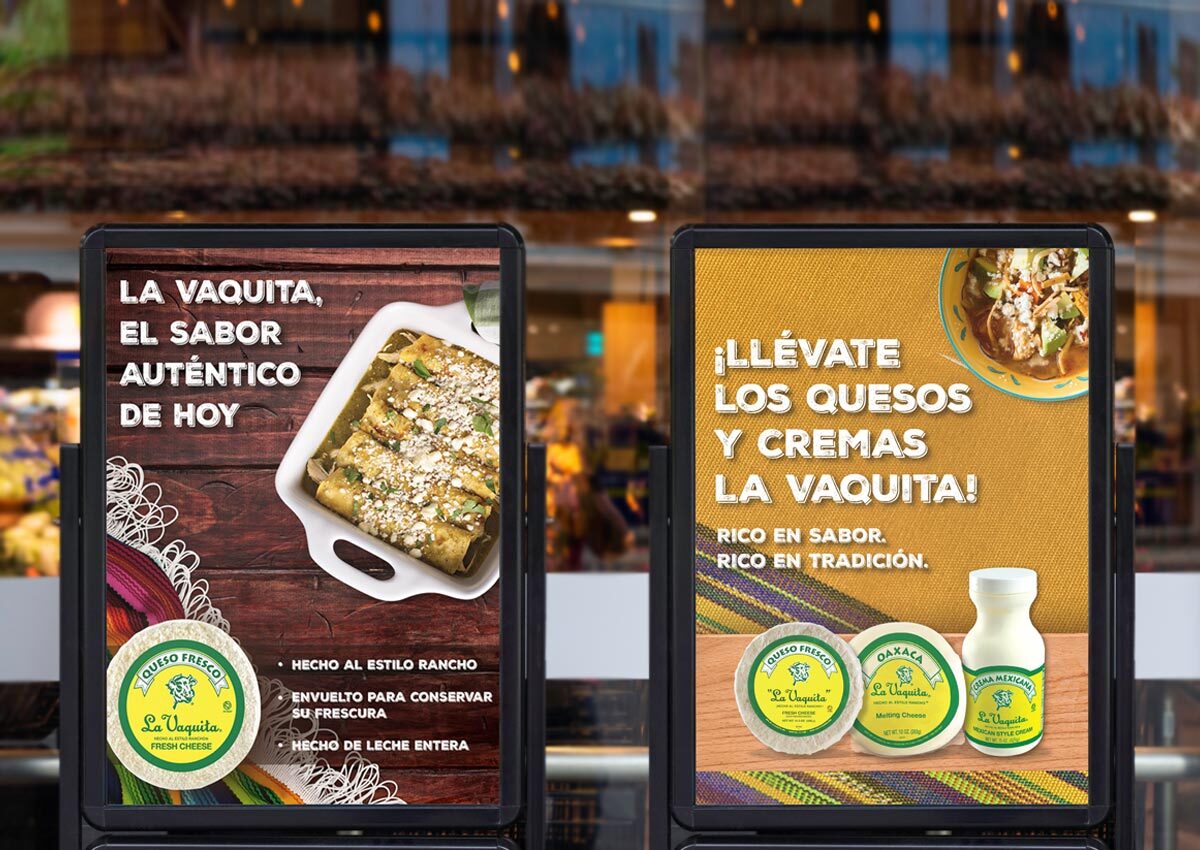
Zone 2: Transit - Awareness: Communication at entrances and along primary routes helps shoppers recognize the brand as they move through the store. Formats can include posters, hanging signs, floor graphics, digital displays and directional messaging.
Impulse and Destination Zones
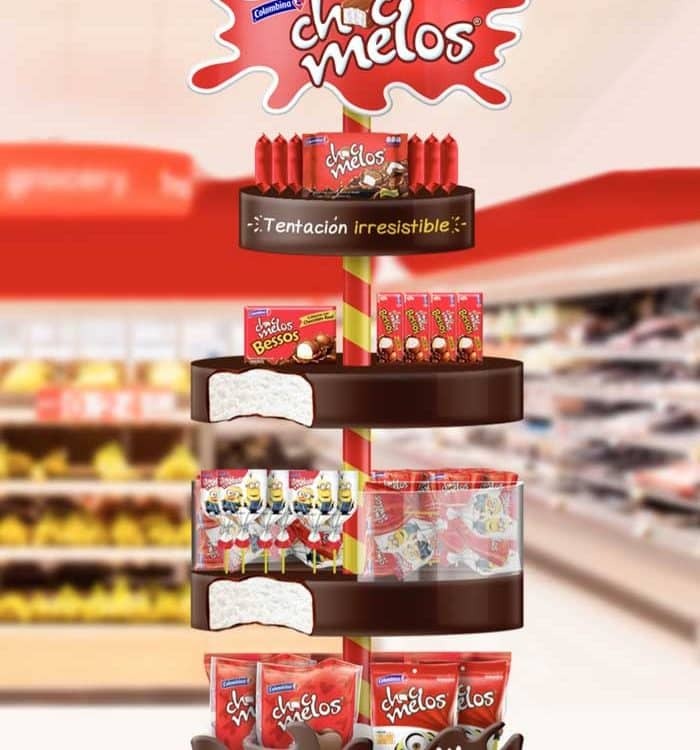
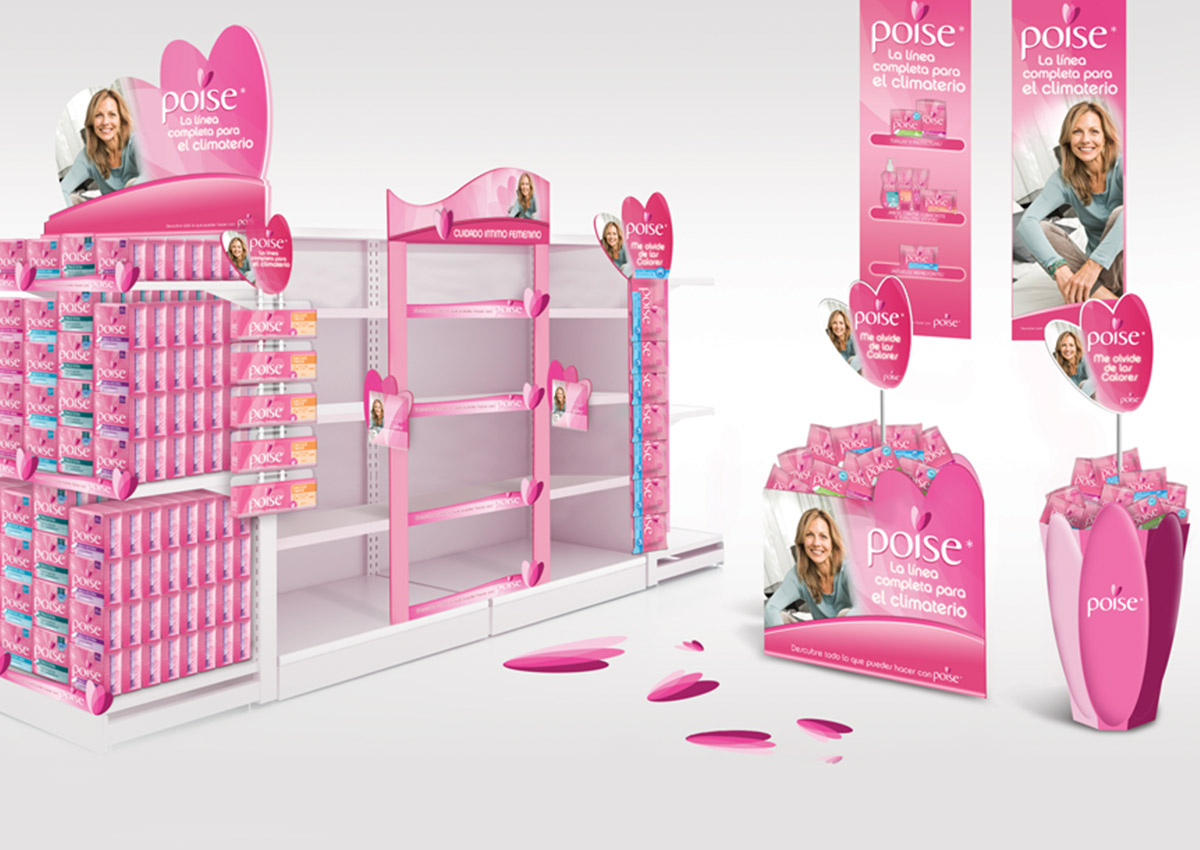
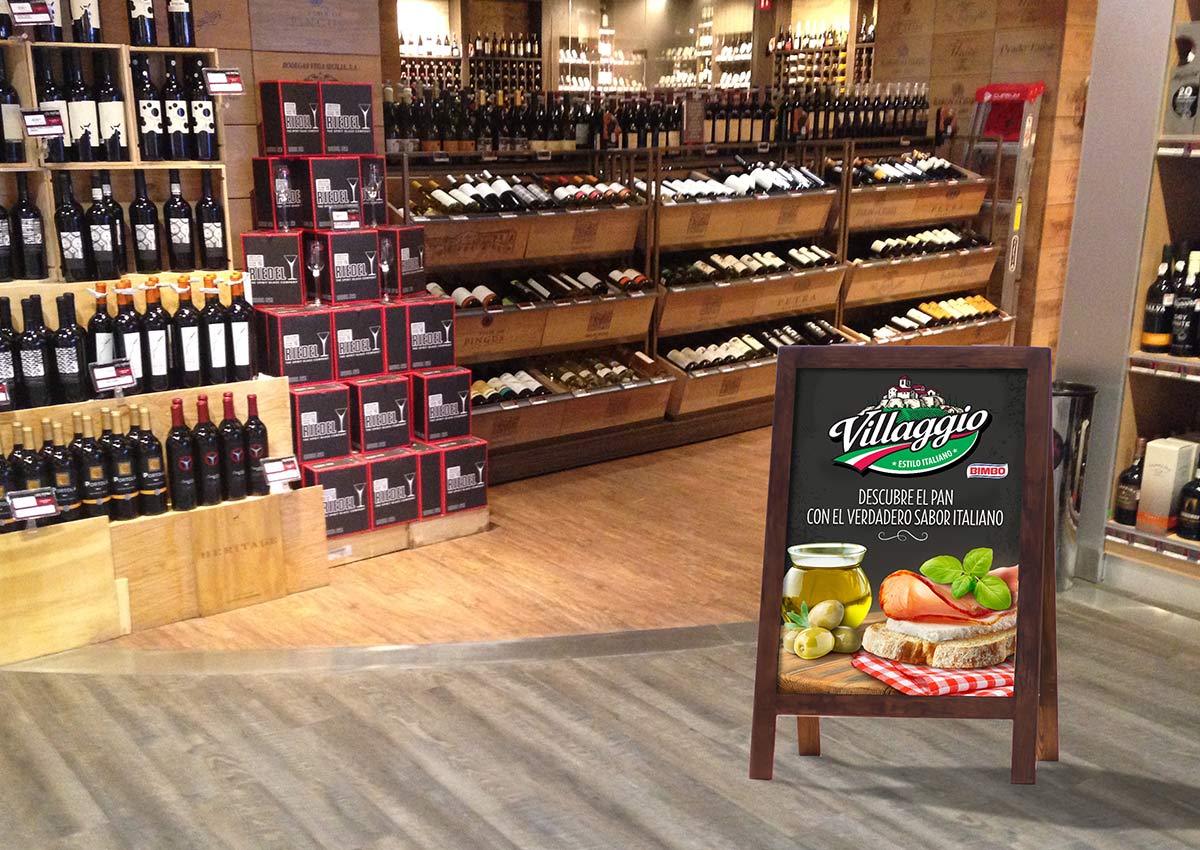
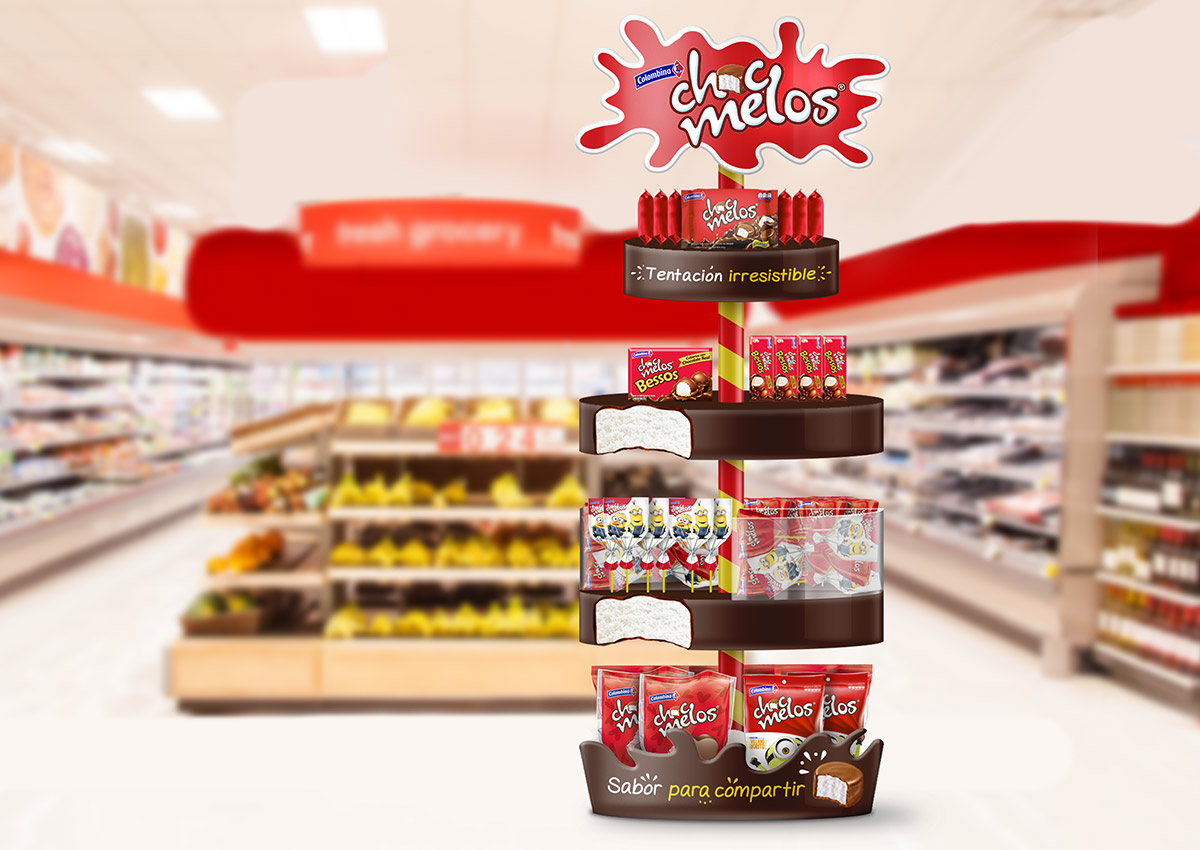
Zone 3: Impulse - Enticement: Communication outside the product's usual category interrupts the shopper journey and encourages an unplanned response. Floor graphics, hanging signs, freestanding structures and cross-merchandising displays can guide attention toward the product.
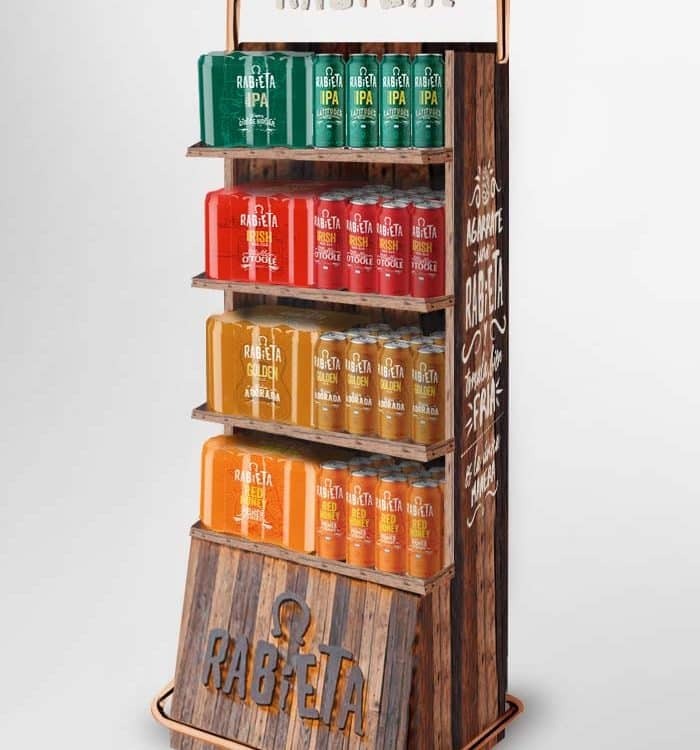
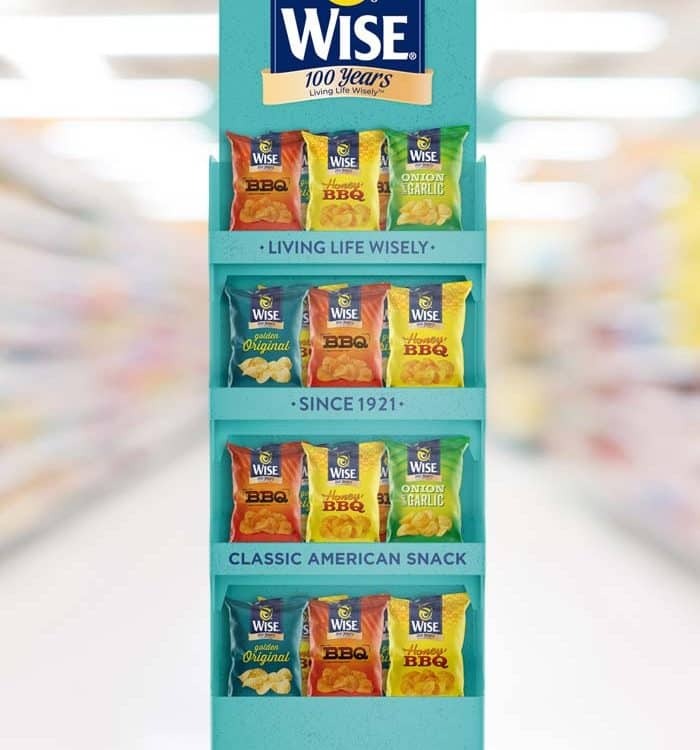
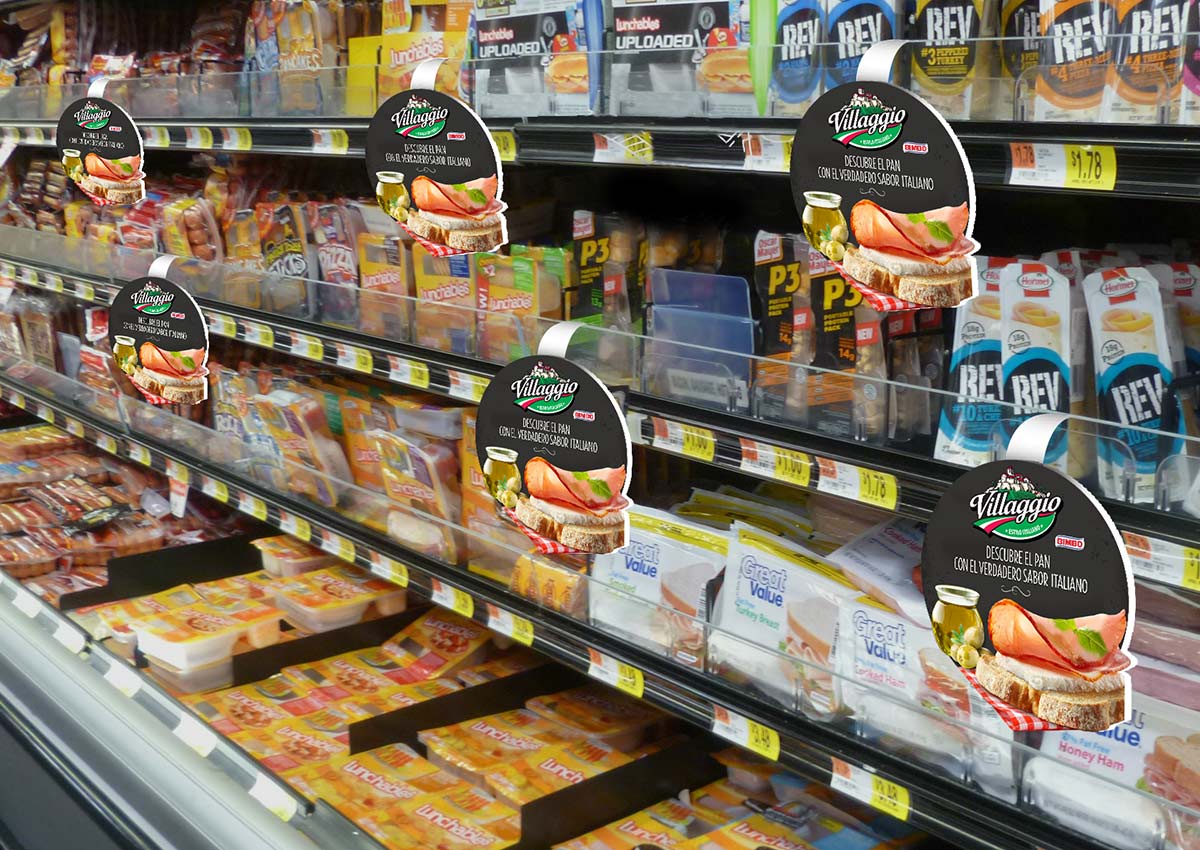
Zone 4: Destination - Choice: Communication at the shelf, aisle or refrigerator supports comparison at the moment of purchase. Shelf strips, shelf talkers, headers, branded displays and promotional islands can clarify benefits and make the product easier to choose.
Driving Choice Through Product Visibility
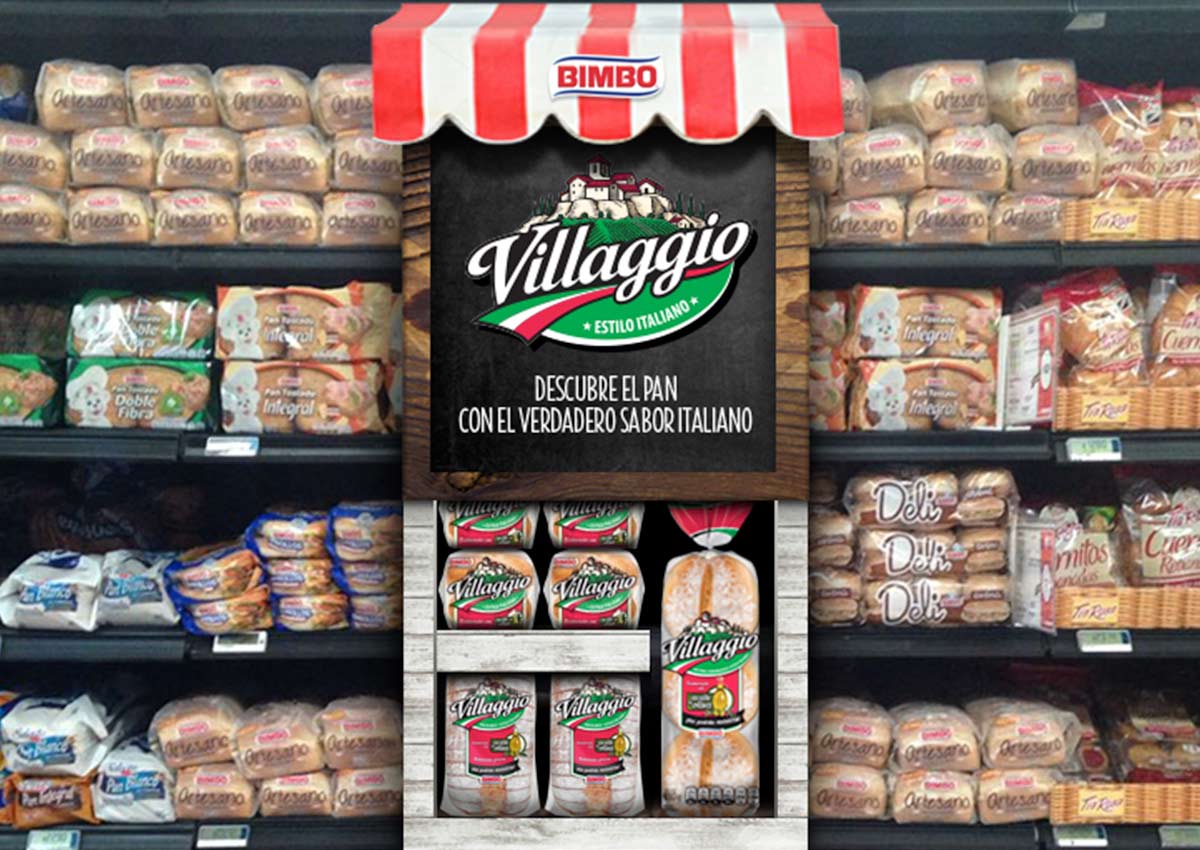
In the destination zone, product visibility helps a brand earn attention while shoppers compare alternatives. Eye-level placement, endcaps, shelf displays, signage and clear product organization can make the offer easier to find and understand.
Effective retail communication reinforces the packaging rather than competing with it. Consistent colors, visual cues, benefits and product hierarchy help shoppers recognize the brand quickly and choose with confidence.
Building Brand Equity at the Point of Sale
In-store communication builds brand equity when every touchpoint feels connected to the brand. Consistent use of brand strategy, messaging, color, typography and imagery helps shoppers recognize the product quickly and reinforces brand memory over repeated visits.
A clear visual identity should adapt to different display formats without losing coherence. This allows shelf strips, displays, signs and promotional units to work together while remaining practical for the retail environment.

Planned Purchases: Supporting Intent-Driven Decisions
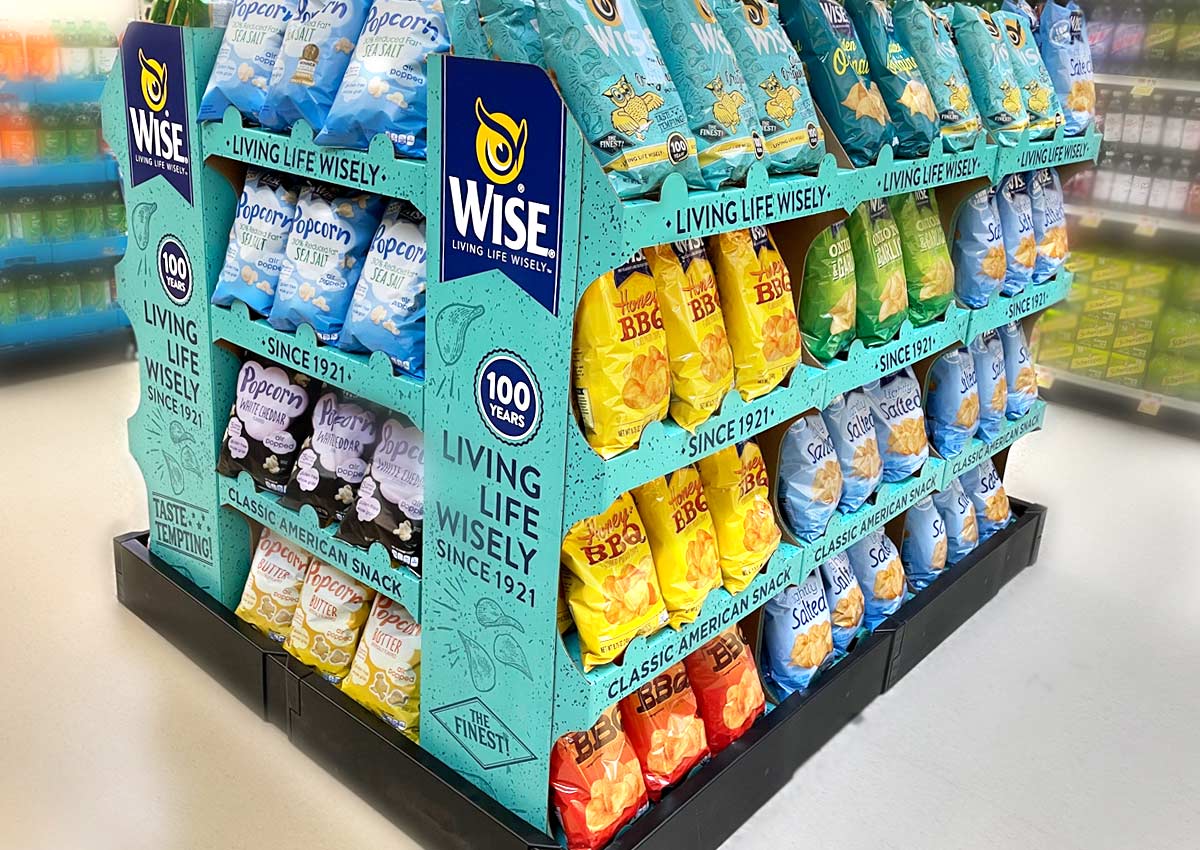
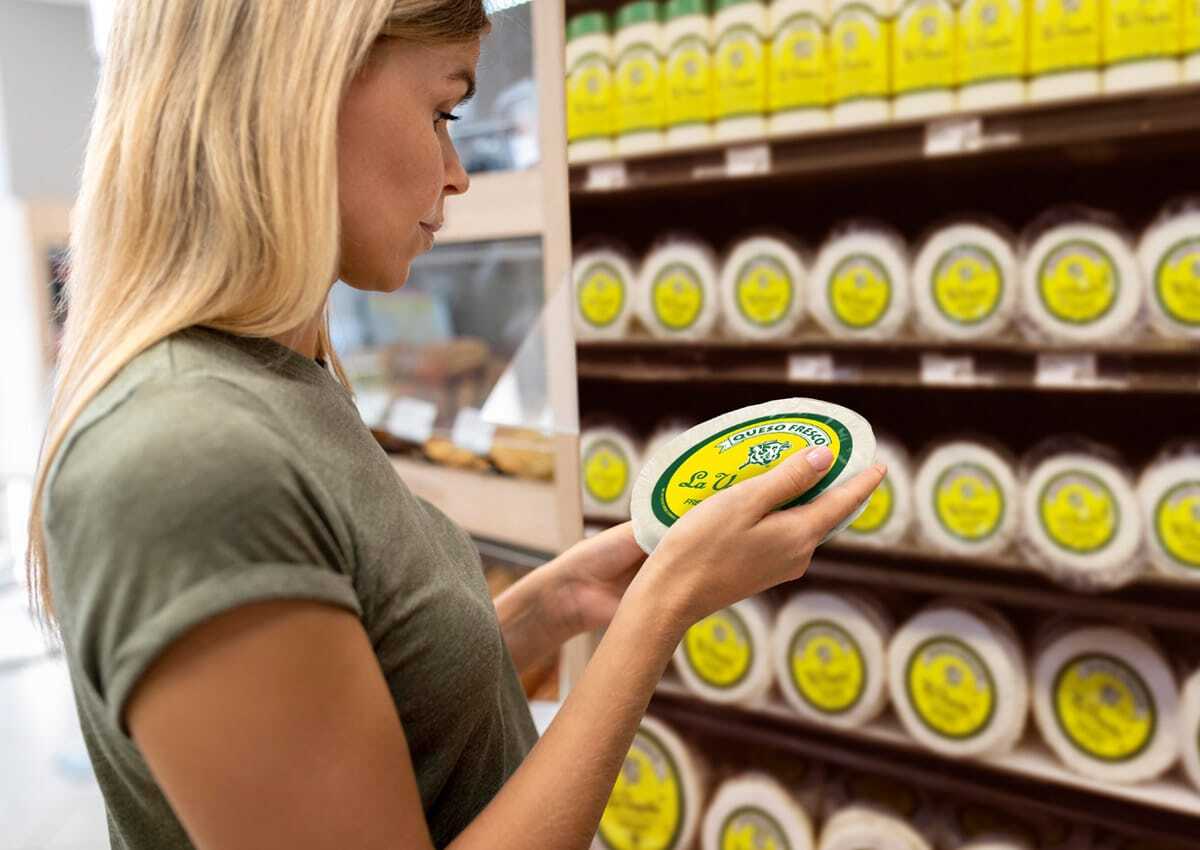
Planned purchases begin before shoppers enter the store, but retail communication still plays an important role by confirming their choice and making the right product easy to find. Clear category navigation, strong shelf visibility, legible pricing, distinct product variants and concise information reduce friction and help shoppers complete their intended purchase.
Unplanned Purchases: Triggering Impulse at the Point of Sale
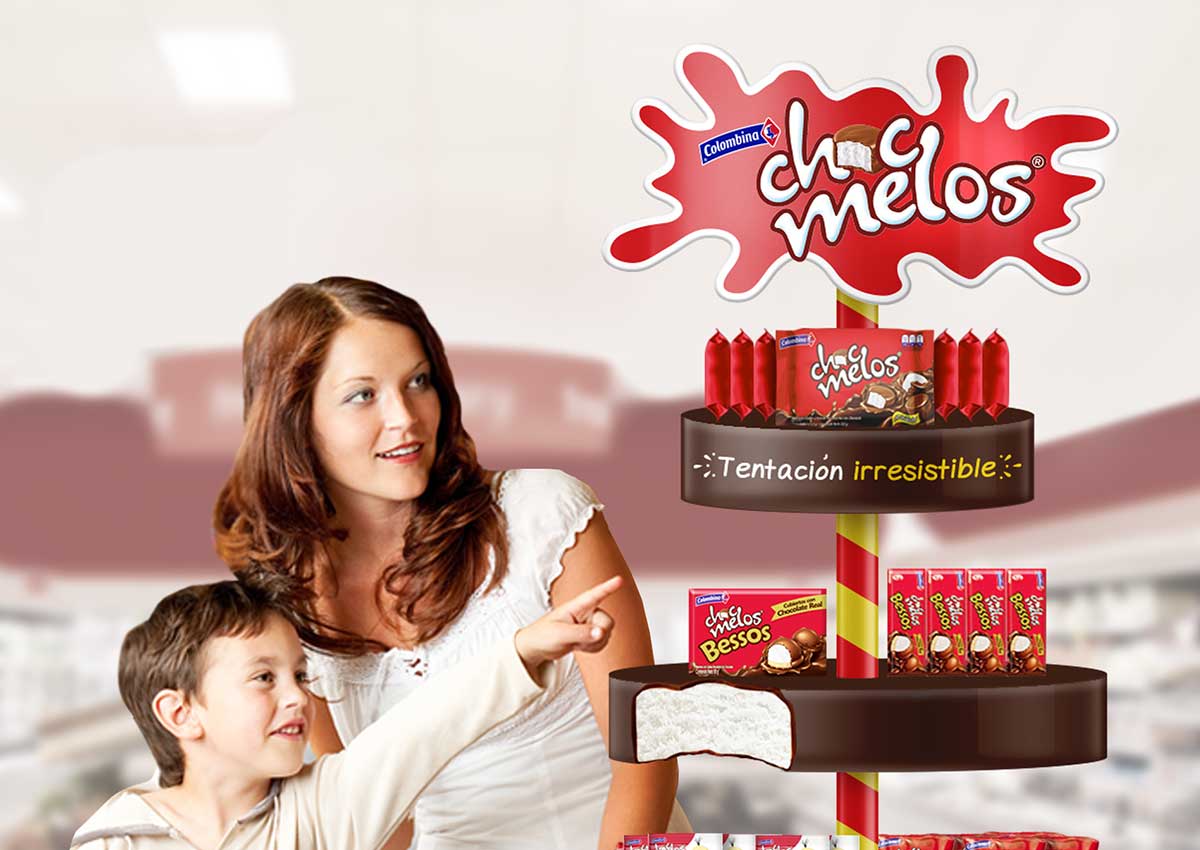
Unplanned purchases occur when a relevant display, promotion or usage occasion gives shoppers an immediate reason to buy. Secondary placements, checkout displays, bundle offers and occasion-based messages can interrupt routine and prompt consideration.
These cues should be easy to understand at a glance and remain consistent with the brand and packaging, turning attention into action without confusing the shopper.
Why In-Store Marketing Still Matters
POPAI's 2012 Shopper Engagement Study interviewed 2,400 adult shoppers across 12 major supermarket banners in four U.S. regions. Researchers compared shoppers' pre-store intentions with their completed purchases and register receipts. The study reported a 76% in-store decision rate, combining generally planned purchases, unplanned purchases and brand or product substitutions.
View the POPAI 2012 Shopper Engagement Study →
Imaginity develops in-store marketing systems and point-of-sale materials that help CPG brands improve visibility, communicate value and support purchase decisions across the retail environment.